

The question of whether electric vehicles (EV) will replace petrol and diesel vehicles now seems somewhat redundant. In 2017, the UK government announced that from 2040 the sale of new diesel and petrol vehicles in the UK will be banned, thereby putting a definitive date on a change that was expected to happen anyway.
Electric vehicles are starting to make inroads into the UK market, with more than 200,000 of them silently and efficiently cruising on our streets in 2019. They cost less to drive, produce no direct pollution, while the latest models have ever-improving batteries and more effective charging options.
One of the biggest advantages of EVs is that they are much cheaper to run than their fossil-fuelled counterparts. A pure EV could cost from as little as 2p-per-mile to drive, compared to 8p to 11p-per-mile for petrol or diesel cars. Over three years, an EV could save an average of more than £1,800 in fuel costs and road tax compared to an average diesel car.
Electric vehicles do however presently cost more to buy than an ‘equivalent’ diesel or petrol model. Why? Lithium batteries are expensive to manufacture. As battery and charging technology improves unit costs will reduce.
Two often cited concerns exist regarding the use of EVs: battery range and charging.

Many of 2019’s new EVs can travel up to 300 miles or more on a full charge – dependent on driving conditions. Numerous drivers, other than those who regularly driving longer distances, would find the current (daily) mileage range of EVs currently available to be entirely acceptable.
‘Range anxiety’ persists however – an underlying concern that the EV will run out of power mid-journey, whilst away from home and distant from any charging points. The likelihood is that with the widespread use and experience of driving EVs, coupled with more charging stations, any range anxiety issues will be mitigated and overcome.
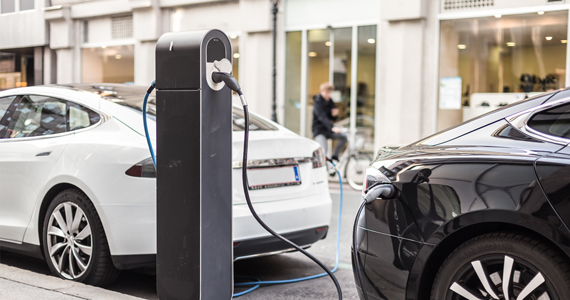
EV charging is and will be a hugely important aspect of future EV ownership. One of the biggest concerns for UK drivers about owning an EV is the number of, and availability of charging points. According to Zap Map, which monitors the UK’s charging infrastructure, there are currently more than 10,000 public charge point locations around the country where an EV can be charged. Fortunately for EV drivers, this number is rising all the time.
Charging at home is also a concern. Domestic charging points will need to be installed. For those who live in multi-occupancy property or possess no off-road parking then the issue of EV charging at home presents serious concerns that will need to be resolved.
The majority of EV charging points found in the UK are centred in towns and cities. Naturally, this is entirely satisfactory for those making urban and city-based journeys, but for those in more rural areas, availability of public access charging points may be found to be lacking.
To support the move away from fossil-fuelled vehicles there will be significant investment and development in EV technology and country-wide charging infrastructure during the next 20 years and beyond. Enhancements and developments in the national power grid, with the implementation of technology such as Vehicle to Grid, will need to be consolidated,to ensure that EVs can be charged by their owners on demand.
Sales of new and used electric cars are growing, providing drivers on smaller budgets access to vehicles that are far cheaper to drive than fossil-fuelled models. With a projected decrease in the overall cost to buy an EV, continuing developments in battery technology, improvements in charging infrastructure, coupled with a continued rise in fuel prices, EVs are set to become an increasingly attractive and economic choice.
Sotham has acquired significant experience and knowledge of installing EV charging points, the demand for which will grow significantly in the coming years as EV usage continues at a pace.